
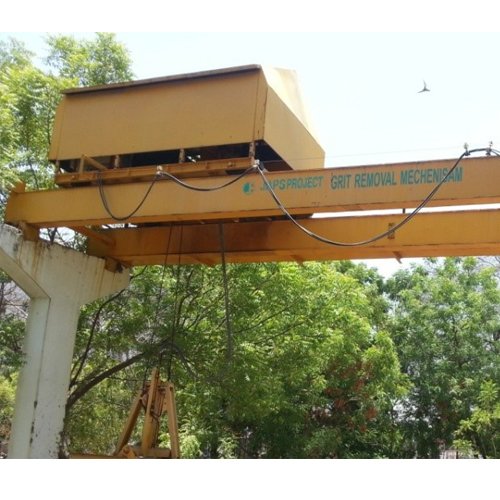
JAPS Project manufactures Grit Removal Mechanisms, which are crucial for minimizing operational problems in wastewater treatment plants. These mechanisms help reduce the maintenance requirements of the mechanical equipment installed in the plants. Grit and other solids can cause increased wear on mechanical equipment, lead to pipe blockages, and settle in treatment basins, thereby reducing their effective volume.
Our Grit Removal Mechanism equipment is manufactured under the strict supervision of our engineers to ensure high quality and proper safety features. Each unit is designed to efficiently remove grit and solids, enhancing the overall performance and reliability of wastewater treatment operations.
At JAPS Project, we understand that our customers may have queries regarding our products, services, and support. Our FAQ section is designed to provide quick, clear, and reliable answers to the most common questions about cranes, material handling equipment, water treatment solutions, and after-sales support.Whether it’s about product selection, customization, installation, or maintenance, you’ll find helpful insights here to make informed decisions with confidence.
The main purpose is to remove sand, gravel, and other inorganic solids from wastewater. This prevents abrasion, wear, and blockages in pumps, pipelines, and other mechanical equipment.
It is usually installed at the pre-treatment stage of wastewater treatment plants, just after the screening process and before primary clarification.
The most common types include aerated grit chambers, vortex-type grit chambers, detritus tanks, and mechanically cleaned channels. The choice depends on plant size, flow characteristics, and required efficiency.
Without grit removal, solids accumulate in tanks and basins, reduce treatment capacity, and increase maintenance costs. Proper grit removal enhances plant efficiency and equipment life.
Yes. They can be custom-designed based on flow rate, grit characteristics, installation space, and operational requirements of the wastewater treatment plant.
